


Introduction
The term 7605×75 has gained attention across various industries, especially in engineering, manufacturing, and technology circles. Whether you are a professional seeking precise specifications or a hobbyist exploring technical data, understanding 7605×75 is essential. This specific designation refers to a measurement or model often linked to mechanical parts, electronics, or high-performance components. Its popularity stems from the balance it offers between size, efficiency, and reliability, making it a preferred choice in specialized applications.
While at first glance, 7605×75 may appear as a simple alphanumeric code, it actually carries detailed information about dimensions, compatibility, and operational limits. Many engineers and technicians rely on these specifications to ensure accuracy in installation, maintenance, or customization. By learning the intricacies of 7605×75, professionals can reduce errors, save time, and enhance the overall performance of their systems. This guide aims to break down the key aspects of 7605×75, including its technical details, practical applications, advantages, and industry relevance. By the end of this article, you will have a thorough understanding of why this specification is significant and how it can be leveraged for optimal results.
Technical Specifications of 7605×75
The 7605×75 specification defines certain physical and functional characteristics essential for performance. In most contexts, it denotes a component with a width or diameter of 75 units and a model or series number of 7605. These specifications are critical for engineers to ensure compatibility with existing systems. Materials, weight, tolerance levels, and load capacities are typically aligned with the 7605×75 standard, providing a reliable benchmark for production and maintenance.
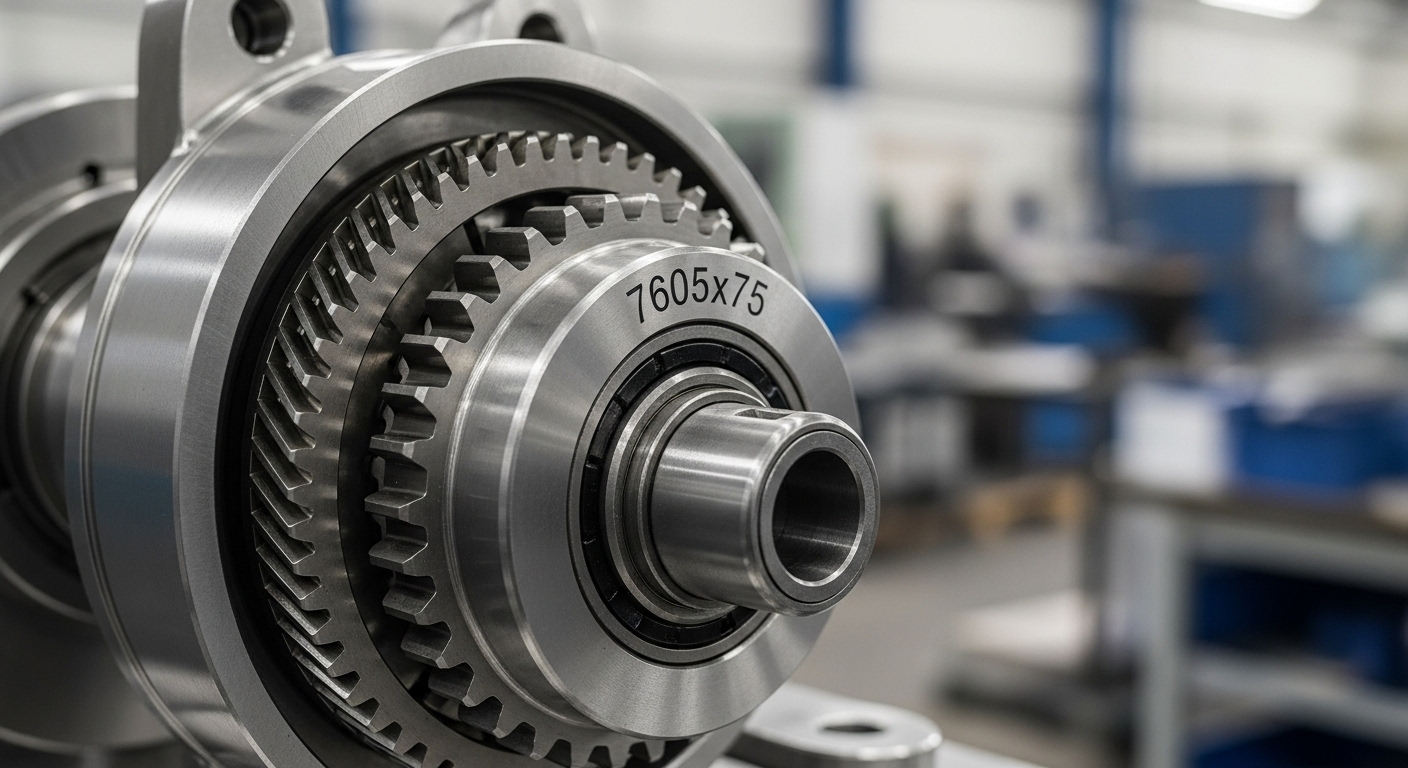
For instance, in mechanical applications, 7605×75 might refer to a bearing, gear, or shaft dimension. These specifications dictate how the part interacts with surrounding components and influences friction, wear, and durability. Engineers often cross-reference 7605×75 with manufacturer datasheets to verify performance metrics, such as stress limits, rotational speed, or torque capacity. By adhering to these standards, industries can maintain precision and prevent costly misfits or failures.
Common Applications of 7605×75
The versatility of 7605×75 allows it to be applied across multiple sectors, from industrial machinery to automotive parts. Bearings, rollers, or specialized fasteners often adopt this specification for standardized performance. In automotive engineering, for instance, 7605×75 components ensure smooth movement in transmission systems or suspension assemblies, reducing wear and extending operational lifespan.
Similarly, in manufacturing lines, 7605×75 parts are essential for maintaining precise alignment and consistent output. Conveyor belts, robotic arms, and heavy-duty machinery frequently incorporate components with this specification to ensure minimal vibration, accurate rotation, and overall stability. By utilizing 7605×75, businesses can enhance productivity while reducing maintenance costs and downtime.
Advantages of Using 7605×75
One of the main benefits of 7605×75 is reliability. Components adhering to this specification are tested for consistent performance under varying operational conditions. This reliability translates into lower maintenance costs and improved safety, particularly in high-stress environments. Companies that standardize parts with 7605×75 reduce the risk of system failures caused by incompatible or substandard components.
Another advantage lies in efficiency. The precise sizing and tolerances of 7605×75 allow machinery to operate with minimal friction or resistance. In industries where performance metrics like speed, torque, and output are critical, adopting 7605×75 components can lead to noticeable improvements. Furthermore, standardized parts simplify procurement, repair, and replacement, offering operational continuity and scalability.
Material and Manufacturing Considerations
The performance of 7605×75 components depends heavily on the materials and manufacturing processes used. Metals such as stainless steel, aluminum alloys, or high-strength composites are often selected based on durability, load capacity, and resistance to environmental factors. Advanced treatments like heat-treating, coating, or precision machining ensure that 7605×75 parts meet rigorous standards and maintain performance under stress.
Manufacturers also pay close attention to tolerance levels when producing 7605×75 components. Even minor deviations can lead to operational inefficiencies or premature wear. As a result, quality control procedures such as laser measurement, 3D scanning, or automated inspection are standard in factories producing these parts. By combining high-quality materials with precision manufacturing, 7605×75 becomes a benchmark for reliability and longevity.
Choosing the Right 7605×75 Component
Selecting the correct 7605×75 component requires understanding both the technical requirements and the operational context. Engineers need to consider load, speed, temperature, and compatibility with existing systems. For example, a bearing sized 7605×75 may be suitable for light machinery but inadequate for high-load industrial equipment without reinforcement or material modification.
Additionally, sourcing from reputable manufacturers ensures that the 7605×75 component meets standardized testing and certification. Poor-quality components can compromise performance, increase maintenance costs, and even pose safety risks. By carefully evaluating supplier credentials and specifications, companies can maximize the benefits of integrating 7605×75 into their operations.
Maintenance and Longevity Tips
Proper maintenance is essential to preserve the integrity of 7605×75 components. Regular inspections for wear, alignment, and lubrication can extend lifespan and maintain peak performance. Industries often implement predictive maintenance strategies using sensors or monitoring systems to detect early signs of failure in 7605×75 parts.
Routine replacement of worn components and adherence to manufacturer-recommended service intervals is also critical. Neglecting these guidelines can lead to inefficiency, breakdowns, or costly downtime. With proper care, 7605×75 components can reliably operate for years, making them a cost-effective choice for both industrial and commercial applications.
Industry Trends and Future Outlook
The demand for standardized components like 7605×75 continues to grow, particularly in high-precision industries. Emerging trends in automation, robotics, and electric vehicles are driving the need for durable, efficient, and standardized parts. Companies increasingly prioritize 7605×75 specifications for scalable production, ensuring consistent quality across global supply chains.
Looking ahead, advancements in material science and manufacturing technology are expected to enhance the performance of 7605×75 components. Lightweight alloys, improved coatings, and additive manufacturing techniques could expand its applications while maintaining reliability. As industries embrace these innovations, 7605×75 is likely to remain a vital specification in engineering and manufacturing for years to come.
Conclusion
In conclusion, 7605×75 is more than a mere designation—it is a critical specification that influences performance, reliability, and efficiency across multiple industries. From mechanical engineering to automotive systems, understanding its technical details, applications, and maintenance requirements allows professionals to make informed decisions and achieve optimal results.
By choosing high-quality 7605×75 components and adhering to proper maintenance practices, businesses can reduce downtime, increase operational efficiency, and ensure long-term reliability. As technology continues to advance, the role of 7605×75 in standardized production and high-performance systems will only grow. Embracing these specifications today equips industries to meet the demands of tomorrow with confidence and precision.
