


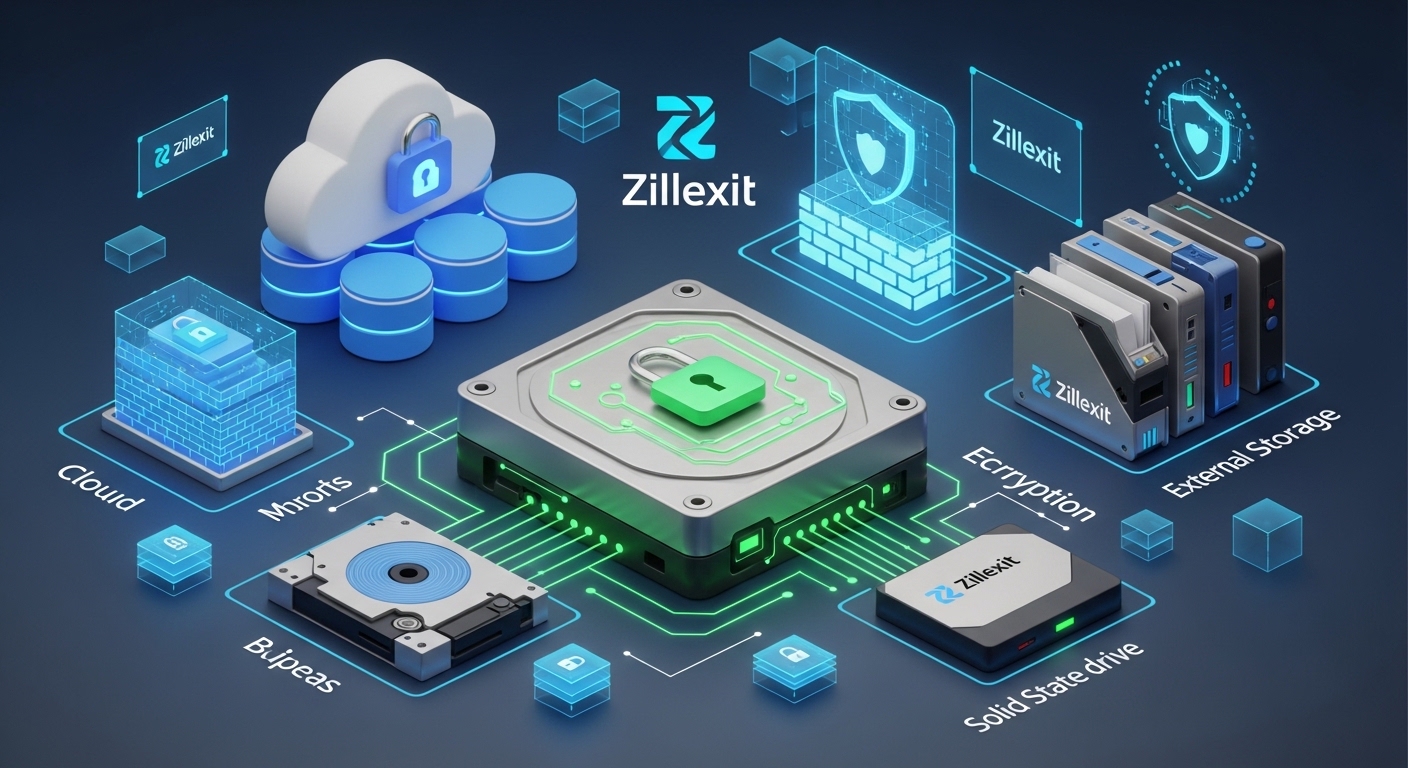
In today’s digital age, software security and safe storage are paramount for both businesses and individual users. Zillexit software, like many advanced applications, often handles sensitive data and critical operations. Knowing how Zillexit software can be stored safely ensures you protect your investment, prevent data loss, and maintain operational efficiency. In this guide, we will explore practical strategies, real-world examples, and best practices to store Zillexit software securely.
Understanding the Need for Safe Storage
Before diving into methods, it’s important to understand why safe storage matters. Zillexit software might include:
- Proprietary code and executables
- Sensitive user or customer data
- Licenses or activation keys
- Configuration files
If mishandled, these components can lead to data breaches, software corruption, or unauthorized access. The goal of safe storage is to maintain integrity, accessibility, and security while reducing risks like accidental deletion, malware attacks, or hardware failure.
Best Practices for Storing Zillexit Software
1. Use Secure Local Storage
Storing Zillexit software on local devices like computers or external drives is common, but it must be done cautiously.
- Encrypted Drives: Use full-disk encryption tools like BitLocker (Windows) or FileVault (Mac) to protect sensitive files.
- Access Control: Limit access to only authorized personnel. Avoid shared folders without proper permissions.
- Regular Backups: Keep backups on separate devices or drives. For instance, a company storing Zillexit software on a workstation can maintain a mirrored external SSD for emergency recovery.
Real-World Example: A small software consultancy used encrypted NAS devices to store proprietary Zillexit modules. When a laptop was stolen, the encryption prevented unauthorized access, avoiding a potential data breach.
2. Cloud Storage Solutions
Cloud storage is increasingly popular due to accessibility and redundancy. For Zillexit software, not all cloud solutions are equal.
- Reputable Providers: Choose providers like Google Drive Enterprise, Dropbox Business, or Microsoft OneDrive that offer encryption and compliance certifications.
- End-to-End Encryption: Ensure your software and data are encrypted both at rest and in transit.
- Versioning & Recovery: Cloud platforms with version history allow recovery of previous software versions if files become corrupted.
Use Case: A marketing firm stored Zillexit analytics modules on a secure cloud server, enabling team members to access software remotely without exposing files to unauthorized users.
3. Offline Storage for Long-Term Archival
For software that isn’t used daily, offline storage can prevent online attacks:
- External Hard Drives: Store in a secure, fireproof location. Encrypt files for added safety.
- Read-Only Media: Burn important software onto read-only DVDs or write-protected USB drives to prevent accidental modification.
- Cold Storage: For organizations with multiple layers of software security, cold storage refers to keeping backups disconnected from any network until needed.
Tip: Label each storage device with the software version and date to avoid confusion when restoring backups.
4. Version Control and Documentation
Safe storage isn’t just about files—it’s about organization:
- Versioning Software: Use Git, SVN, or similar tools to track changes in Zillexit software.
- Documentation: Maintain a secure record of installation steps, activation keys, and license information.
- Audit Trails: For businesses, keeping logs of who accessed which files can help track potential breaches.
Comparing Storage Options for Zillexit Software
| Storage Method | Pros | Cons | Ideal For |
|---|---|---|---|
| Local Encrypted Drives | Fast access, full control | Risk of physical damage, theft | Daily operations and active projects |
| Cloud Storage | Accessible remotely, automatic backups | Dependent on internet, potential breaches | Teams, remote collaboration |
| Offline Cold Storage | Highly secure, immune to online threats | Slower access, requires physical management | Long-term archival, compliance storage |
| Read-Only Media | Tamper-proof, inexpensive | Limited storage, easy to misplace | Critical versions, legal retention |
Pros and Cons of Storing Zillexit Software Safely
Pros:
- Protects against unauthorized access
- Prevents accidental data loss or corruption
- Simplifies recovery in case of device failure
- Supports compliance with data protection regulations
Cons:
- Can require additional investment in secure hardware or cloud services
- Some methods may slow down access speed
- Requires consistent management and monitoring
Practical Tips to Enhance Software Safety
- Regularly Update Security Protocols: Keep encryption software, firewalls, and antivirus programs up to date.
- Test Backups Periodically: Ensure backups restore correctly before you actually need them.
- Limit Access: Follow the principle of least privilege—only those who need the software should have access.
- Use Password Managers for Keys: Avoid storing activation keys in plain text files; secure them using a password manager.
Frequently Asked Questions (FAQ)
Q1: Can I store Zillexit software on a standard USB drive?
A: Yes, but for safety, it’s recommended to encrypt the USB and use read-only settings to prevent accidental changes.
Q2: Is cloud storage safer than local storage for Zillexit software?
A: Both have pros and cons. Cloud storage is great for redundancy and remote access, while encrypted local storage can offer faster access and offline security.
Q3: How often should I back up Zillexit software?
A: Ideally, maintain daily incremental backups for active software and weekly full backups for less frequently used software.
Q4: Can version control improve software safety?
A: Absolutely. Version control systems track changes, prevent overwriting, and make it easier to restore previous versions if needed.
Q5: What is the most secure way to store long-term software archives?
A: Cold storage using encrypted external drives or read-only media stored in a secure, offline location is highly recommended.
Conclusion
Storing Zillexit software safely requires a combination of encryption, backup strategies, and organized management. Whether you choose local encrypted drives, cloud solutions, or offline cold storage, the key is to implement multiple layers of protection and maintain good documentation. By following these strategies, users can ensure that Zillexit software remains secure, accessible, and operational whenever needed.
Taking these precautions today can prevent potential headaches tomorrow—from data loss to unauthorized access—making your software investment secure and sustainable.
