


Introduction to Kläntür
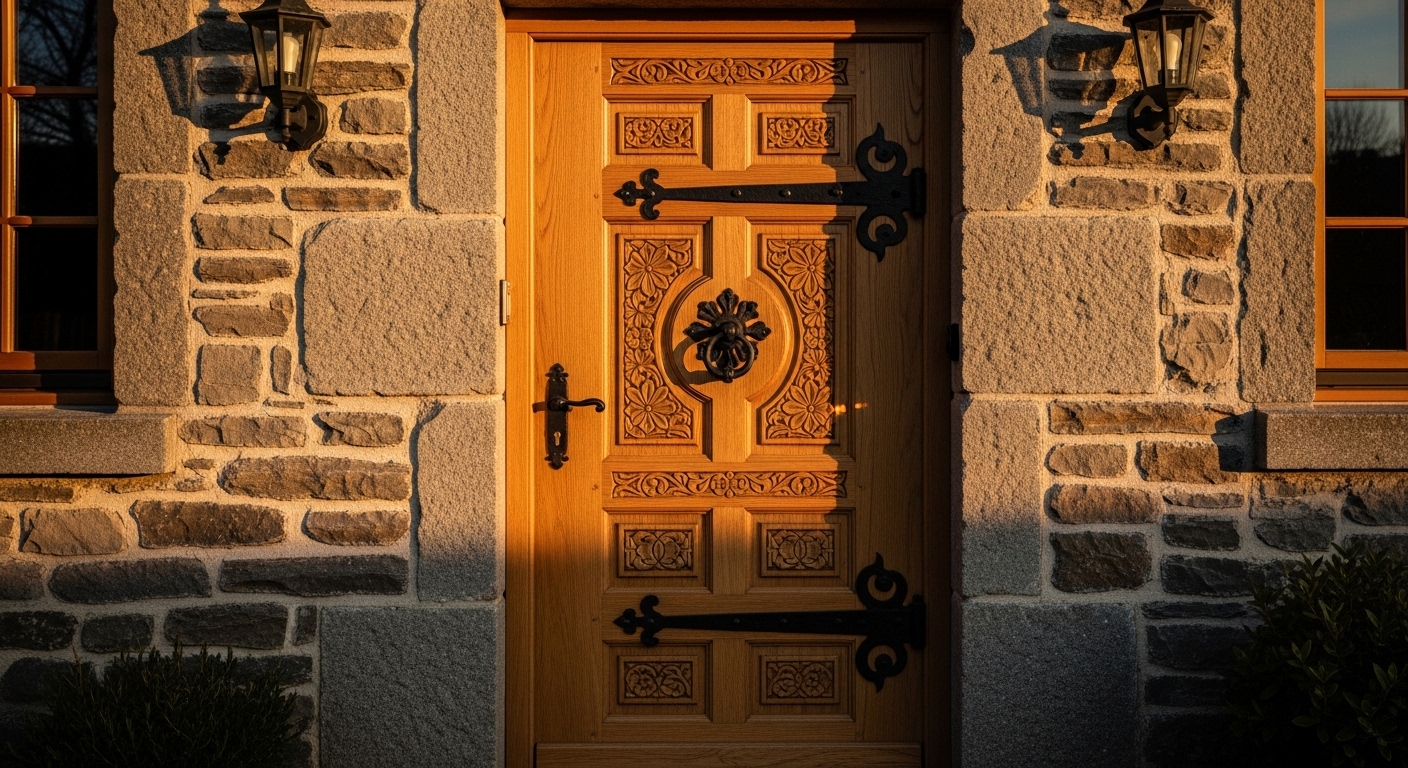
The word kläntür may look unusual at first glance, especially because of the two dots above the letter “a.” However, kläntür carries cultural and linguistic value that makes it worth understanding. In simple terms, kläntür refers to a traditional concept tied to old European dialects, where it describes a type of wooden entry door or gate commonly found in historic homes and villages.
Over time, kläntür became more than just a door. It began to represent welcome, protection, and craftsmanship. Today, kläntür is studied not only as a word but also as a cultural symbol connected to architecture and local heritage.
This article explains kläntür in detail—its meaning, origins, design, and why it still matters today.
The Meaning of Kläntür
What Does Kläntür Mean?
Kläntür is believed to come from older Germanic dialect roots:
- “Tür” means “door” in German.
- The first part of the word relates to older regional expressions connected to enclosure or boundary.
When combined, kläntür traditionally described a wooden front door or entry gate, often handmade and richly decorated.
More Than Just a Door
Although kläntür literally refers to a door, it also symbolizes:
- A boundary between private and public space
- Safety and protection
- Hospitality and welcome
- Skilled craftsmanship
In traditional villages, the kläntür was one of the most important parts of a home.
The Historical Roots of Kläntür
Early Origins
The concept of kläntür dates back to medieval Europe, especially in German-speaking regions. During that time, homes were built with thick wooden doors to protect families from:
- Harsh weather
- Wild animals
- Thieves
The kläntür was strong, heavy, and built to last for decades.
Role in Village Life
In small villages, the kläntür was often:
- The main entrance to a farmhouse
- Decorated with carvings
- Fitted with iron handles or knockers
Neighbors recognized families by their kläntür designs. In this way, the door became part of a family’s identity.
Design and Structure of a Traditional Kläntür
Materials Used
A traditional kläntür was usually made from:
- Oak wood
- Pine wood
- Elm wood
These woods were chosen because they were strong and long-lasting.
Metal parts such as hinges and knockers were made from iron or steel. Blacksmiths often shaped these pieces by hand.
Decorative Features
Kläntür was not just practical—it was artistic. Many had:
- Floral carvings
- Geometric patterns
- Religious symbols
- Family initials
These decorations made each kläntür unique.
Two-Part Design
Some kläntür designs featured a split door structure:
- The top half could open independently.
- The bottom half stayed closed.
This allowed fresh air inside while keeping animals out. This style is similar to what some people today call a “Dutch door.”
Kläntür as a Symbol
Protection and Security
The kläntür represented safety. Once it was closed, families felt secure. In many stories and traditions, closing the kläntür meant ending the day and protecting loved ones.
Hospitality and Welcome
At the same time, opening the kläntür showed hospitality. Guests were welcomed warmly. In some regions, people decorated their kläntür with wreaths or flowers to show kindness and joy.
Cultural Identity
Over time, kläntür became part of regional identity. Certain carving styles were specific to certain areas, making it possible to identify where a home was built based on the kläntür design.
Kläntür in Architecture
Rural Architecture
In rural architecture, kläntür played a central role. Farmhouses were designed around a strong front entrance. The kläntür was often:
- Wide
- Thick
- Placed in the center of the house
This made it both practical and symbolic.
Urban Influence
As towns grew, architecture changed. However, many builders continued to use kläntür-inspired designs. Even in cities, traditional wooden doors with carved details remained popular.
Modern Architectural Revival
Today, architects sometimes bring back the kläntür style in:
- Restored historic homes
- Heritage buildings
- Boutique hotels
- Countryside houses
The goal is to preserve tradition while meeting modern safety standards.
Craftsmanship Behind Kläntür
Skilled Woodworking
Creating a kläntür required skilled craftsmanship. Carpenters would:
- Select high-quality wood
- Cut and shape thick panels
- Carve decorative details
- Fit strong hinges
This process could take days or even weeks.
Hand-Carved Art
Each kläntür was often handmade. Carvers used chisels and hammers to create detailed patterns. No two doors were exactly alike.
Because of this, old kläntür doors are sometimes considered valuable antiques today.
Kläntür in Folklore and Stories
Symbol in Folk Tales
In traditional stories, the kläntür often marked an important moment. For example:
- A hero leaving home passed through the kläntür.
- A traveler seeking shelter knocked on a kläntür.
- Closing the kläntür meant safety from danger.
This shows how important the door was in daily life and imagination.
Superstitions and Traditions
Some traditions connected to kläntür included:
- Hanging protective symbols above the door
- Placing herbs near the entrance
- Decorating the kläntür during festivals
These customs blended practicality with belief.
Differences Between Kläntür and Modern Doors
Material Differences
Modern doors are often made from:
- Metal
- Glass
- Composite materials
Traditional kläntür, however, focused mainly on natural wood.
Design Differences
Modern doors are usually:
- Simpler
- Mass-produced
- Standardized
Kläntür designs were:
- Handmade
- Unique
- Decorated
This difference highlights the artistic value of traditional craftsmanship.
Preservation of Kläntür Today
Restoration Projects
Many historic buildings still have original kläntür doors. Preservation groups work to:
- Restore damaged wood
- Repair metal fittings
- Protect carvings
This helps keep history alive.
Museums and Cultural Centers
Some museums display preserved kläntür doors as examples of traditional architecture. Visitors can see the carvings and understand the skills involved in making them.
Modern Reproduction
Some artisans today create new kläntür-inspired doors using traditional methods. These doors combine:
- Classic design
- Modern safety locks
- Weather-resistant treatment
This keeps the tradition relevant in today’s world.
Why Kläntür Still Matters
Connection to History
Kläntür reminds people of how homes were built in the past. It shows the importance of durability and craftsmanship.
Appreciation for Handmade Work
In a world filled with factory-made products, kläntür represents the beauty of handmade objects. Each detail tells a story of skill and patience.
Cultural Heritage
Preserving kläntür traditions helps protect cultural heritage. Architecture is part of identity, and doors are the first thing people see when they approach a home.
The Future of Kläntür
Sustainable Building Trends
Today, many builders prefer sustainable materials. Since kläntür is traditionally made from wood, it fits well with eco-friendly building practices—especially when wood is responsibly sourced.
Blending Old and New
Modern homeowners sometimes combine kläntür style with:
- Smart locks
- Insulated panels
- Security cameras
This creates a blend of tradition and technology.
Frequently Asked Questions (FAQs)
1. What does kläntür mean?
Kläntür refers to a traditional wooden entry door with cultural and architectural importance.
2. Where did kläntür originate?
Kläntür originated in historic Germanic regions of Europe.
3. What materials are used in a kläntür?
Traditional kläntür doors are made mainly from strong woods like oak or pine.
4. Is kläntür still used today?
Yes, kläntür designs are preserved, restored, and sometimes recreated in modern architecture.
5. Why is kläntür culturally important?
Kläntür represents protection, hospitality, craftsmanship, and regional identity.
Conclusion
Kläntür is much more than a simple door. It is a symbol of tradition, protection, and artistic craftsmanship. From medieval villages to modern restoration projects, kläntür has maintained its place in architectural history. Its strong wooden structure and detailed carvings reflect both practical needs and creative expression.
Even today, kläntür continues to inspire architects, craftsmen, and homeowners who value heritage and beauty. By understanding kläntür, we also understand how something as simple as a door can carry deep meaning across generations.
