


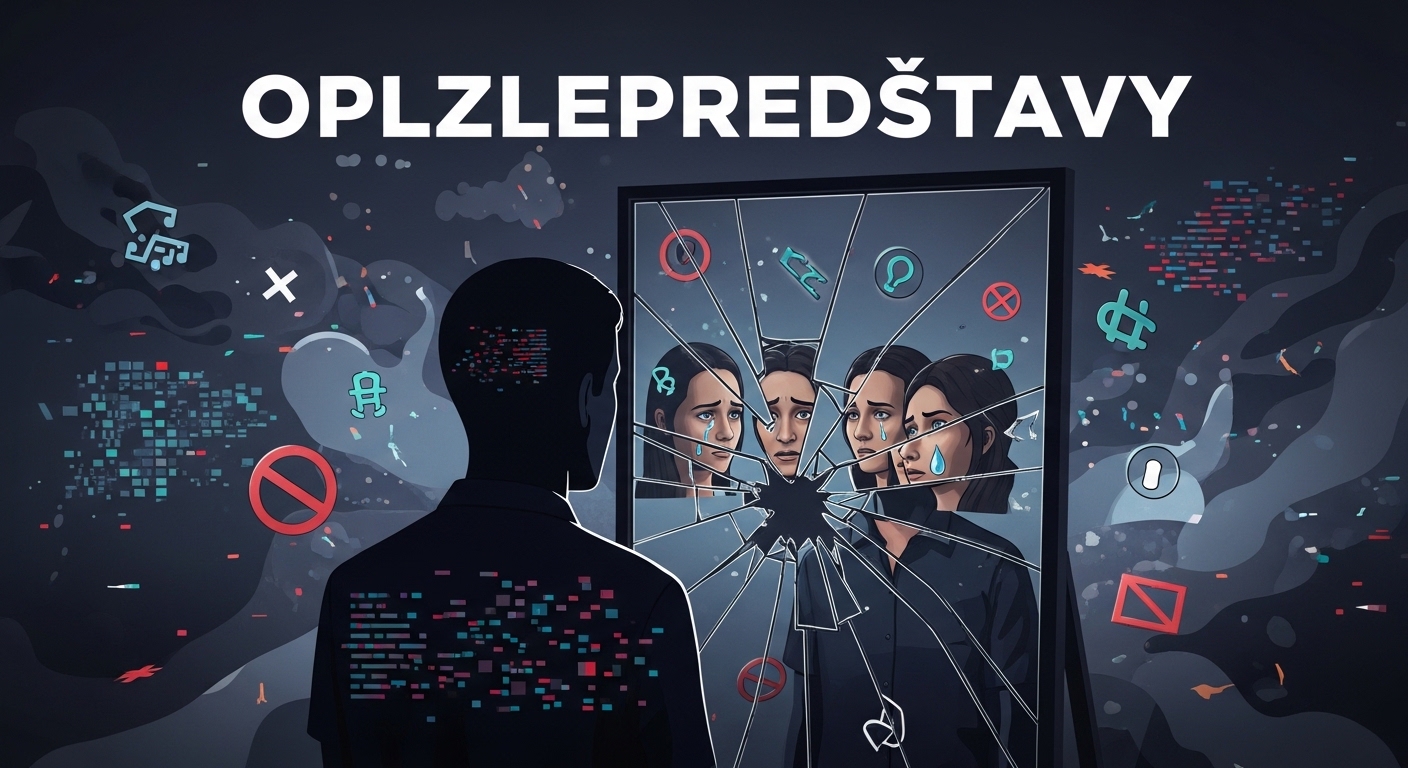
The keyword “oplzlepredstavy” appears unusual and does not correspond to a widely recognized English term. When analyzing search behavior around such keywords, the most likely search intent includes:
- Understanding what “oplzlepredstavy” means
- Exploring its linguistic or conceptual background
- Learning how it might be used in discussions, digital communities, or niche contexts
- Finding practical interpretations or applications
This article explores the possible meaning, context, interpretations, and practical uses of oplzlepredstavy, while helping readers understand how such keywords appear and how they can be interpreted in real-world scenarios.
What Is Oplzlepredstavy?
At its core, oplzlepredstavy appears to be a compound or stylized word, possibly derived from a Central or Eastern European language structure (particularly Slavic-style word formation).
Breaking it conceptually:
- “predstavy” in several Slavic languages refers to ideas, notions, perceptions, or imagination.
- The prefix-like portion “oplzle” could imply alteration, distortion, or transformation depending on linguistic interpretation.
Possible Meaning
Taken together, oplzlepredstavy may refer to:
- Distorted perceptions
- Altered mental representations
- Misconceptions formed through incomplete understanding
In digital or philosophical discussions, it could metaphorically describe how people build inaccurate mental models of reality.
Why People Search for Oplzlepredstavy
Users searching for this keyword are often trying to:
- Understand unfamiliar or obscure terminology
- Decode unique identifiers or coined phrases
- Explore conceptual or philosophical ideas about perception
- Investigate terms appearing in forums, creative writing, or digital culture
This makes the topic especially relevant for readers interested in psychology, language, and digital communication.
Conceptual Interpretation: Oplzlepredstavy as “Distorted Perception”
One practical way to understand oplzlepredstavy is through cognitive psychology.
Humans constantly create mental models of reality. However, these models can become distorted due to:
- Bias
- Limited information
- Emotional influence
- Social narratives
Example
Imagine someone reading misleading information online.
- They form a belief based on partial facts.
- Repeated exposure strengthens that belief.
- Eventually, the belief feels true—even if inaccurate.
This is a real-world example of oplzlepredstavy-like thinking, where perception deviates from reality.
Real-World Examples of Oplzlepredstavy
1. Social Media Echo Chambers
Algorithms often show users content they already agree with.
Result:
- People believe their view is universally accepted.
- Opposing views feel rare or invalid.
This creates distorted perception of public opinion.
2. Workplace Miscommunication
An employee may assume a manager dislikes their work because of a single critical comment.
In reality:
- The manager simply wants improvements.
- The employee’s perception becomes exaggerated.
This misunderstanding is another example of oplzlepredstavy in everyday life.
3. Online Rumors
False information spreads quickly online.
Example pattern:
- Someone shares incomplete information.
- Others repeat it.
- The story evolves into something entirely different.
Eventually, many people believe a version of reality that never existed.
Practical Uses of Understanding Oplzlepredstavy
Recognizing this concept can help improve critical thinking and decision-making.
1. Better Media Literacy
Understanding distorted perceptions helps people:
- Verify sources
- Question viral claims
- Avoid misinformation
2. Improved Communication
When conflicts arise, recognizing potential perception errors allows people to:
- Clarify intentions
- Ask questions before reacting
- Reduce misunderstandings
3. Personal Self-Awareness
Individuals can challenge their own assumptions by asking:
- “Do I have all the information?”
- “Could my interpretation be wrong?”
- “Is emotion affecting my judgment?”
Oplzlepredstavy vs Related Concepts
| Concept | Meaning | Key Difference |
|---|---|---|
| Oplzlepredstavy | Distorted or altered perceptions | Broad conceptual interpretation |
| Cognitive Bias | Systematic thinking errors | Scientifically defined psychological phenomenon |
| Misconception | Incorrect understanding of a fact | Often caused by lack of information |
| Delusion | Strong belief despite evidence | Typically used in clinical psychology |
In simple terms:
- Cognitive bias explains why distorted perceptions happen.
- Misconceptions describe incorrect knowledge.
- Oplzlepredstavy can represent the overall experience of distorted mental perception.
Pros and Cons of Recognizing Perception Distortion
Pros
- Encourages critical thinking
- Improves decision-making
- Helps reduce conflict and misunderstandings
- Promotes intellectual humility
Cons
- Overanalyzing perceptions can create doubt
- People may dismiss valid beliefs as “distorted”
- Requires self-awareness, which many people resist
How to Avoid Oplzlepredstavy Thinking
1. Seek Multiple Perspectives
Reading different viewpoints prevents information bubbles.
2. Verify Information
Always check:
- credible sources
- data-backed evidence
- original context
3. Question Emotional Reactions
Strong emotions often signal perception distortion.
Pause and evaluate the situation logically.
4. Practice Reflective Thinking
Ask yourself:
- What evidence supports this belief?
- What evidence contradicts it?
Future Relevance of Concepts Like Oplzlepredstavy
In the digital age, perception distortion is becoming more common due to:
- algorithm-driven content
- viral misinformation
- deepfake technology
- AI-generated narratives
Understanding concepts like oplzlepredstavy will become increasingly important for media literacy and critical thinking.
FAQ About Oplzlepredstavy
What does oplzlepredstavy mean?
It likely refers to distorted or altered perceptions, particularly mental ideas or interpretations that deviate from reality.
Is oplzlepredstavy a real word?
It appears to be a rare or coined term, possibly influenced by Slavic linguistic elements where “predstavy” relates to ideas or perceptions.
Where might the term be used?
It may appear in:
- philosophical discussions
- linguistic experiments
- creative writing
- niche internet communities
How does oplzlepredstavy relate to psychology?
It closely resembles concepts such as:
- cognitive bias
- misperception
- mental distortion
These ideas explain how humans sometimes misunderstand reality.
Why is understanding distorted perception important?
Because inaccurate perceptions can affect:
- decisions
- relationships
- political beliefs
- financial choices
Recognizing these distortions improves judgment and critical thinking.
Final Thoughts
Although oplzlepredstavy is not a mainstream term, exploring it reveals an important idea: our perceptions are not always accurate reflections of reality.
Whether in social media, workplaces, relationships, or public discourse, people often build interpretations that are influenced by bias, limited information, or emotional reactions.
Understanding and challenging these distortions helps individuals develop clearer thinking, stronger communication, and better decision-making in an increasingly complex information landscape.
